Introduction to Stablecoin Yield Platforms in 2026
In 2026, stablecoin yield platforms have evolved from niche decentralized finance tools into mainstream wealth-building alternatives. As inflation continues to erode fiat purchasing power, everyday savers are actively seeking better returns. Modern platforms now seamlessly bridge traditional finance and DeFi, offering robust yields without the extreme volatility typically associated with cryptocurrency markets.
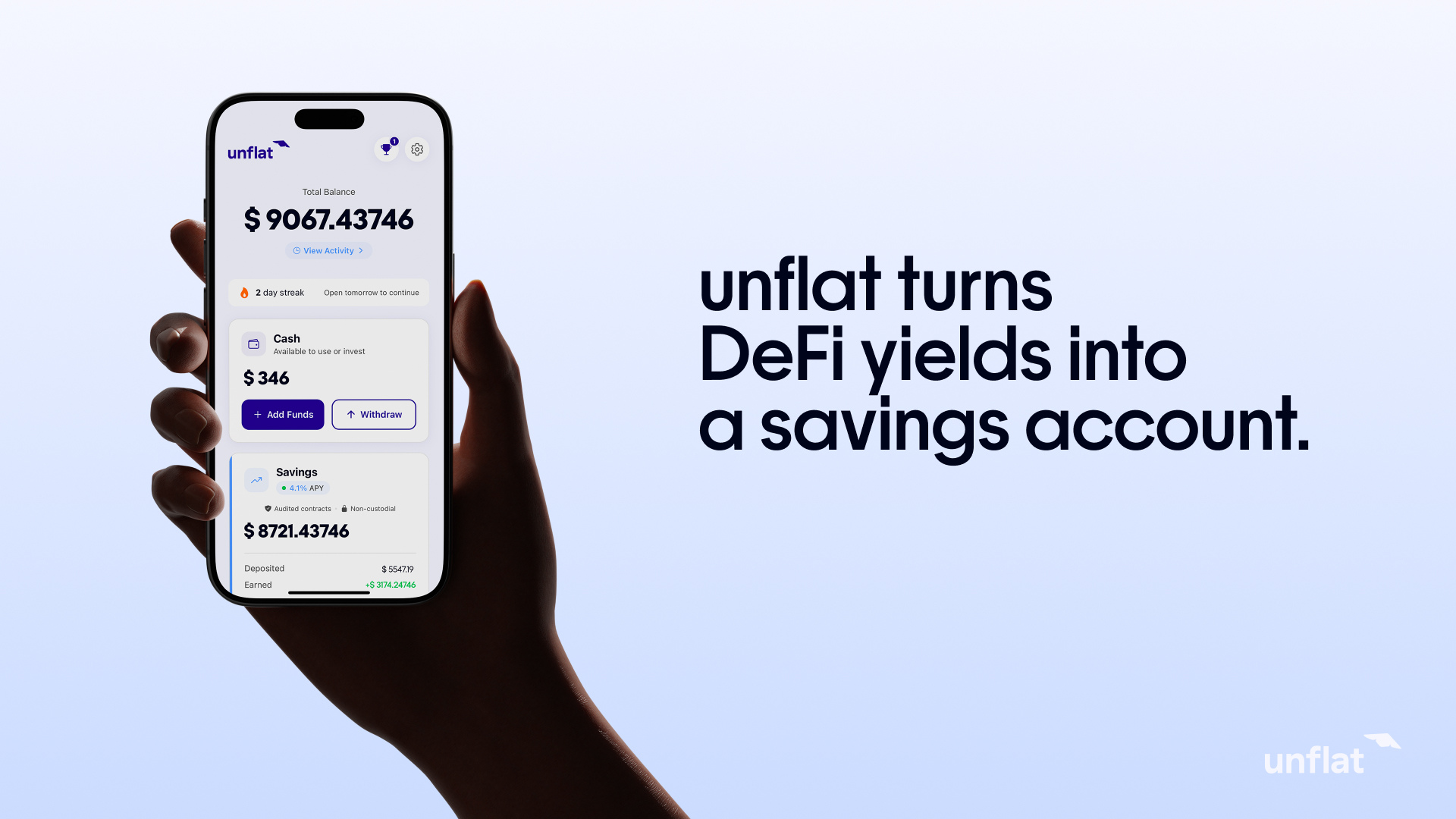
The current landscape prioritizes radical transparency, user-friendly interfaces, and institutional-grade security. While established protocols like Aave provide the underlying liquidity infrastructure, next-generation savings apps like unflat automate complex mechanics. This allows European users to effortlessly convert fiat to USDC and earn predictable returns without requiring any prior crypto knowledge.
- Superior Yield Generation: Stablecoin platforms consistently outperform traditional bank accounts, offering predictable 4-7% APYs generated through secure, overcollateralized lending.
- Effective Inflation Hedging: By earning high-yield interest on assets pegged to stable fiat currencies, investors can effectively protect their purchasing power against rising inflation.
- Unrestricted Liquidity: Unlike fixed-term traditional deposits, modern stablecoin apps provide instant access to funds with zero lockups or withdrawal fees, ensuring total financial flexibility.
The Shift Toward One-Click DeFi Savings
The demand for accessible passive income has fueled the rise of "one-click" stablecoin savings applications. These platforms eliminate the technical barriers of Web3, such as managing wallets or bridging assets across chains. By routing funds directly to battle-tested protocols on the Base chain, users enjoy seamless yield generation with non-custodial control over their assets.
| Feature | Traditional Savings | unflat (Stablecoin App) |
|---|---|---|
| Expected APY | 1.0% - 2.5% | 4.0% - 7.0% |
| Fund Access | Subject to bank hours or lockups | Instant, 24/7 with no lockups |
| Transparency | Opaque lending practices | Public on-chain transaction history |
| Asset Control | Custodial (Bank holds funds) | Non-custodial (User controls funds) |
Competitors like Nexo and Clapp offer centralized alternatives with dual flexible and fixed structures. However, decentralized, non-custodial solutions are rapidly becoming the preferred choice for European savers prioritizing direct asset ownership and verifiable on-chain transparency.
How Stablecoin Yield Protocols Work
In 2026, stablecoin yield generation relies on lending assets to borrowers who provide overcollateralized crypto as security. Platforms route deposits to money markets, earning interest paid by borrowers. This ensures consistent returns without trading volatility.
The market splits into Centralized Finance (CeFi) and Decentralized Finance (DeFi). CeFi acts as a custodian, while DeFi uses automated smart contracts. Apps like unflat bridge this, offering a non-custodial DeFi engine with a simple user experience.
| Feature | CeFi (Centralized Finance) | DeFi (Decentralized Finance) |
|---|---|---|
| Custody | Platform holds your funds | Non-custodial (You control funds) |
| Transparency | Opaque internal lending | Public on-chain transactions |
| Yield Source | Institutional lending & trading | Smart contract money markets |
| Example | Nexo / Clapp | unflat (via Morpho Protocol) |
Security and Smart Contract Audits
Security is paramount when evaluating stablecoin platforms. The best providers mitigate risks through rigorous audits and institutional-grade infrastructure. In 2026, chasing high APYs without verifying underlying security architecture is a critical mistake.
Decentralized apps like unflat leverage battle-tested protocols like Morpho for radical transparency. Centralized providers must demonstrate solvency verifiably. Always prioritize robust risk management frameworks.
- Proof of Reserves: Real-time, cryptographic verification that a centralized platform holds the assets it claims.
- Smart Contract Audits: Regular, independent code reviews by top-tier security firms to prevent vulnerabilities.
- Bug Bounties: Financial incentives for ethical hackers to discover and report potential exploits.
- Multi-Sig Wallets & Custody: Requiring multiple approvals for transactions or using secure infrastructure like Fireblocks.
Liquidity and Lock-up Periods
Liquidity terms dictate how you manage your portfolio. Platforms offer flexible access or fixed lock-ups. Balancing immediate cash flow needs against maximum yield generation is essential for effective capital allocation.
While fixed terms offer higher rates, modern DeFi apps like unflat deliver competitive 4-7% APYs with zero lockups. This ensures your capital earns daily interest without sacrificing mobility.
- Flexible Terms: Instant access to funds, daily compounding interest, and no withdrawal penalties. Ideal for active capital.
- Fixed Lock-up Periods: Capital is locked for a set duration (e.g., 1 to 12 months) in exchange for a guaranteed rate.
- Impact on APY: Fixed terms generally offer a premium rate to compensate for illiquidity, whereas flexible terms provide slightly lower, variable rates.
Top Stablecoin Yield Platforms for 2026
Navigating the 2026 digital asset landscape requires platforms balancing security, liquidity, and returns. The best stablecoin yield platforms cater to diverse risk appetites, from decentralized protocols to centralized custodians.
We evaluated top contenders based on technology, user experience, and performance. Below is a comparison of leading solutions for generating passive income this year.
| Platform | Type | APY Range | Supported Stablecoins |
|---|---|---|---|
| unflat | Non-custodial DeFi App | 4-7% (Predictable) | USDC |
| Nexo | CeFi Custodian | Variable (Tiered) | USDT, USDC |
| Aave | DeFi Protocol | Variable (Market-driven) | USDC, USDT, DAI |
unflat: The Premier Choice for Stablecoin Yields
For European savers seeking a seamless transition to decentralized yields, unflat stands out in 2026. This application automatically converts EUR deposits into USDC, generating a stable 4-7% APY.
By routing funds through the Morpho Protocol on the Base chain, unflat eliminates complex crypto mechanics. Users retain non-custodial control with radical on-chain transparency.
- Consistent Returns: Predictable 4-7% APY with zero lockups or withdrawal fees.
- Effortless UX: Direct EUR deposits via Coinbase Pay, requiring no DeFi expertise.
- Radical Transparency: Public on-chain transaction history for every single user.
- Non-Custodial Security: You maintain absolute control over your funds at all times.
Nexo: Established CeFi Lending
Nexo remains a prominent centralized finance (CeFi) platform, offering flexible and fixed-term yield programs. It provides streamlined fiat on-ramps and crypto-backed credit lines.
While delivering competitive rates on USDT and USDC, maximizing returns requires navigating their loyalty program. As a centralized custodian, users must trust the platform's internal risk management.
- Pro: Comprehensive suite including an integrated exchange and credit lines.
- Pro: Strong regulatory approach and institutional-grade security infrastructure.
- Con: Highest yields require holding the native NEXO token in specific loyalty tiers.
- Con: Custodial model means you do not hold your own private keys.
Aave: Leading DeFi Liquidity Protocol
Aave is a foundational decentralized finance protocol operating across multiple networks. It serves as critical infrastructure for stablecoin borrowing and lending, offering deep liquidity.
Users supply assets like USDC and DAI to earn market-driven interest. While offering self-custody, the interface targets experienced users comfortable with variable rates.
- Pro: Complete self-custody and permissionless access to money markets.
- Pro: Deep liquidity across 12+ networks with robust security track records.
- Con: Yields fluctuate constantly based on real-time borrowing demand.
- Con: Requires technical knowledge to navigate wallets, gas fees, and smart contract risks.
Stablecoin APY Rates: Platforms & Projections
In 2026, stablecoin APY rates have matured, shifting from unsustainable promotional incentives to reliable, protocol-driven returns. Platforms now leverage deep liquidity and overcollateralized lending to generate consistent passive income. This evolution provides everyday savers with highly competitive alternatives to traditional banking benchmarks.
Future projections indicate that as institutional adoption grows and regulatory frameworks take effect across Europe, stablecoin yields will become increasingly standardized. Platforms offering transparent, on-chain transaction histories are expected to dominate the market by prioritizing user security and predictable returns.
Strategies for Maximizing Yield & Minimizing Risk
Navigating the 2026 decentralized finance landscape requires a balanced approach. While high APYs are attractive, prioritizing capital preservation and platform security is essential for long-term, sustainable growth.
- Diversify across protocols: Spread funds between established platforms like Aave and curated savings apps to mitigate smart contract risks.
- Monitor utilization rates: Keep an eye on borrowing demand, as high utilization in liquidity pools directly drives up variable APYs.
- Prioritize non-custodial control: Opt for solutions like unflat that allow you to retain absolute ownership of your funds without lockups or withdrawal fees.
- Evaluate collateralization: Ensure the underlying lending protocols use overcollateralized models (typically 150-200%) to protect your deposits against sudden market volatility.
Comparing 2026 Yield Projections by Platform Type
Different platform architectures offer varying degrees of yield predictability and user involvement. Selecting the right model depends entirely on your technical expertise, desired liquidity, and risk tolerance.
| Platform Category | Expected APY Range | Risk & Effort Profile |
|---|---|---|
| DeFi Savings Apps (e.g., unflat) | 4-7% (Predictable) | Low effort, non-custodial, automated EUR-to-USDC routing |
| CeFi Custodians (e.g., Nexo) | Variable (Tier-dependent) | Medium effort, custodial risk, often requires holding native tokens |
| DeFi Protocols (e.g., Aave, Curve) | Variable (Market-driven) | High effort, requires crypto knowledge, wallet management, and gas fees |
Navigating Stablecoin Regulations & Access
In 2026, regulatory compliance fundamentally shapes how users access stablecoin yield platforms. Jurisdictions have diverged significantly, impacting platform availability, asset custody, and yield generation methods. For everyday savers, choosing a compliant ecosystem ensures better security and reliable access to funds.
Geographical restrictions mean not all DeFi or CeFi platforms are globally available. European users benefit from clear frameworks, allowing platforms like unflat to offer seamless EUR-to-USDC conversions while maintaining non-custodial control, unlike regions facing stricter securities enforcement.
| Jurisdiction | Regulatory Framework (2026) | Impact on Yield Platforms |
|---|---|---|
| European Union (EU) | MiCA (Markets in Crypto-Assets) | Clear rules for stablecoin issuers and VASPs; favors transparent, non-custodial apps like unflat and compliant tokens like Qivalis. |
| United States (US) | SEC Enforcement & State Licensing | Fragmented access; strict scrutiny on yield-bearing products pushes users toward decentralized protocols or licensed custodians like Nexo. |
| Asia-Pacific (APAC) | Varied (MAS, SFC, etc.) | Progressive but localized; strong focus on institutional licensing and retail investor protection limits access to high-yield CeFi. |
How Compliance Shapes Your Yield Strategy
Navigating these regional differences requires a strategic approach to platform selection. Users must prioritize applications that align with their local financial regulations without compromising on yield potential, liquidity, or asset security.
- Licensing and Registration: Verify if the platform operates as a registered Virtual Asset Service Provider (VASP) under local AML standards.
- Custody Models: Understand the difference between custodial platforms and non-custodial solutions like unflat, which eliminate third-party risk.
- Asset Backing: Ensure the underlying stablecoins (like USDC) maintain transparent, 1:1 fiat reserves compliant with regional regulatory standards.
- On-Ramp Accessibility: Look for platforms offering native fiat integrations, such as SEPA transfers or Coinbase Pay for European savers, ensuring frictionless deposits.
Frequently Asked Questions
Navigating the evolving landscape of stablecoin yield in 2026 requires clarity. As everyday savers and seasoned investors look to optimize their idle assets, understanding the mechanics, risks, and tax implications of these platforms is essential.
Whether you are exploring non-custodial apps like unflat or centralized exchanges, having the right information ensures confident decision-making. Below are the most common concerns addressed to help you secure your financial strategy.
Safety and Risks of Yield Farming
What is the safest stablecoin yield platform? The safest options prioritize transparency and user control. In 2026, non-custodial apps like unflat lead the way by allowing users to retain control of their funds while leveraging battle-tested infrastructure like the Morpho Protocol.
Can I lose my stablecoins while earning yield? Yes, risks exist, including smart contract vulnerabilities or platform insolvency. While centralized platforms like Nexo carry counterparty risks, decentralized protocols mitigate this through overcollateralization, though they are never entirely risk-free.
- Opt for non-custodial platforms to eliminate third-party custody risks.
- Verify that the underlying protocol uses overcollateralized lending.
- Check for transparent, public on-chain transaction histories.
- Avoid platforms with lockups or withdrawal fees to maintain full liquidity.
Yield Generation and Taxation
How do platforms generate high APY? Platforms generate returns by lending your stablecoins to borrowers who provide overcollateralized crypto assets. For instance, unflat routes USDC through the Morpho Protocol, generating a predictable 4-7% APY from these borrowing fees.
CeFi vs. DeFi yields? CeFi relies on centralized companies lending assets, often requiring native tokens. DeFi uses smart contracts for radical transparency. Are yields taxable? Yes, in most jurisdictions, earned stablecoin interest is subject to income tax.
- Track all fiat-to-stablecoin conversions and yield payouts meticulously.
- Use platforms offering clear, exportable on-chain transaction histories.
- Consult a tax professional familiar with 2026 crypto regulations.
- Classify daily compounding interest correctly based on local tax laws.
Start earning with unflat
Access DeFi yields without technical complexity. Join the waitlist for early access.
Join the waitlist